
Created Metaphors shares practical, down-to-earth guidance on creative writing and metaphor craft for readers across the UK.
- 0123456789
- Angle Bd Abdelmoumen & rue soumaya, Résidence
- [email protected]
Created Metaphors shares practical, down-to-earth guidance on creative writing and metaphor craft for readers across the UK.
 By Eleanor Whitcombe
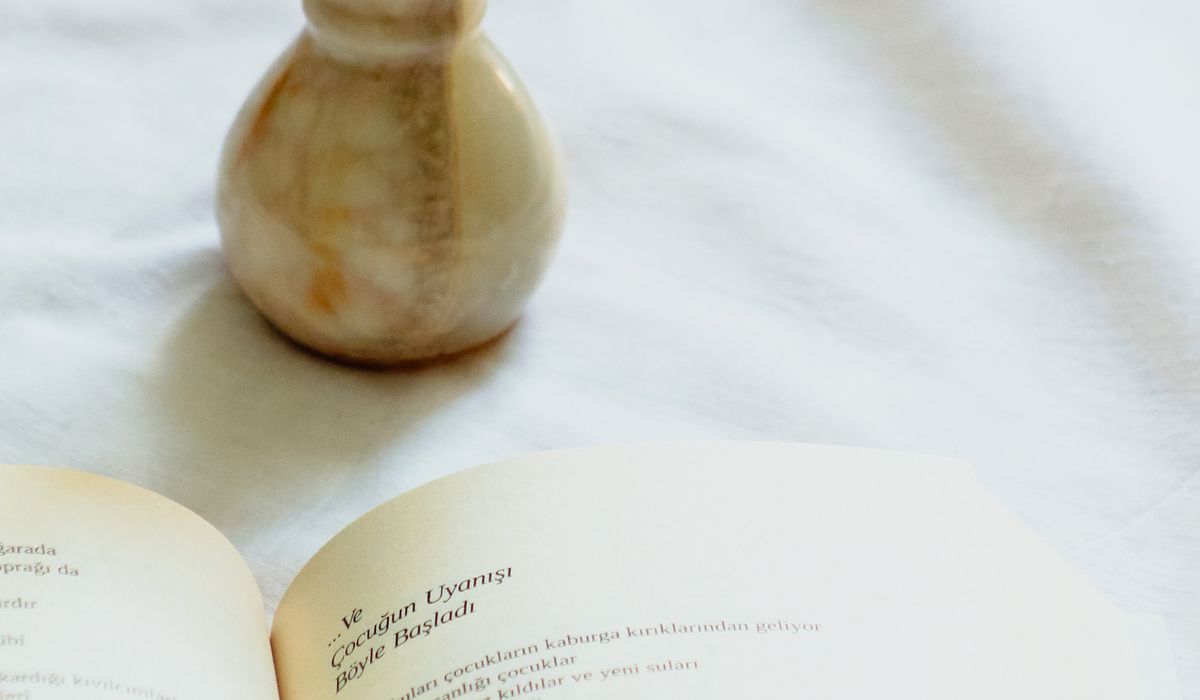
A literary agent reading a submission is not really judging your prose in isolation. They are asking a commercial question: can I sell this, and can I sell it to someone specific in the next twelve months? Everything you prepare should make that question easier to answer. In the UK, most agencies ask for the same basic set of materials — a covering letter, a synopsis, and a sample of the manuscript — but the exact quantities vary enormously. Some want three chapters, some want ten thousand words, some want fifty pages. Read the submission guidelines for each agency as if they were a recipe you intend to follow precisely, because that is exactly what they are.
Almost every agent decides within the first page. That sounds brutal, and it is, but it also means your opening pages are the one part of the manuscript worth polishing until they shine.
Get to the trouble quickly. A reader should know who they are following, where they are, and what is wrong or about to go wrong before the first page ends. You do not need explosions; you need pressure. A quiet domestic scene can carry enormous tension if the reader senses what is at stake.
The synopsis is where many strong writers come unstuck. Agents do not want a teaser; they want the whole plot, including the ending, clearly and unemotionally told. Write it in the present tense, keep it to one or two pages unless told otherwise, and give every named character a reason to be there. A useful trick is to write a paragraph per major turning point, then trim until the logic runs cleanly from beginning to end.
Your manuscript, meanwhile, should be genuinely finished. Not nearly finished, not finished apart from chapters nine and fourteen. Agents receive far more submissions than they can represent, and an unfinished novel is the easiest reason in the world to say no. Format it plainly: double-spaced body text, a sensible serif font, page numbers, your name and the title in the header, and chapter breaks that are consistent throughout.
Keep it to one page and four short paragraphs. The first should name your title, genre, word count, and give a single sentence that captures the story's engine. The second expands into a concise blurb of roughly a hundred words — the situation, the complication, the stakes. The third places the book in the market, mentioning two or three recent comparable titles and, ideally, the audience you imagine reading it. The fourth is biography: relevant writing credits, prizes, an MA, or simply a line about why you are the person to tell this story.
Address the agent by name. Reference something specific about their list. Never write "Dear Sir or Madam", never apologise for taking up their time, and never explain how many other agents have rejected it. Confidence without arrogance reads best.
Blind submissions waste your energy and theirs. Before you send anything, spend an afternoon with the books you would love to sit beside on a shelf.
Response times of eight to twelve weeks are normal; some agencies will take longer, and a few will never reply at all. Keep a simple spreadsheet with the agent, the agency, the date sent, the materials requested and the date of any response. Follow up politely after the stated response time has passed, once, and then leave it.
Rejection is data, not a verdict. If several readers mention the same problem — a slow middle, an unsympathetic protagonist, a muddled ending — that is precious information. Revise, then send the improved version out again. Above all, start writing the next book while this one is out on submission. The writers who eventually find representation are usually the ones who kept producing work regardless of what the post brought, and who treated each submission as a craft exercise rather than a referendum on their worth.


We are not gonna make spamming
