
Created Metaphors shares practical, down-to-earth guidance on creative writing and metaphor craft for readers across the UK.
- 0123456789
- Angle Bd Abdelmoumen & rue soumaya, Résidence
- [email protected]
Created Metaphors shares practical, down-to-earth guidance on creative writing and metaphor craft for readers across the UK.
 By Eleanor Whitcombe
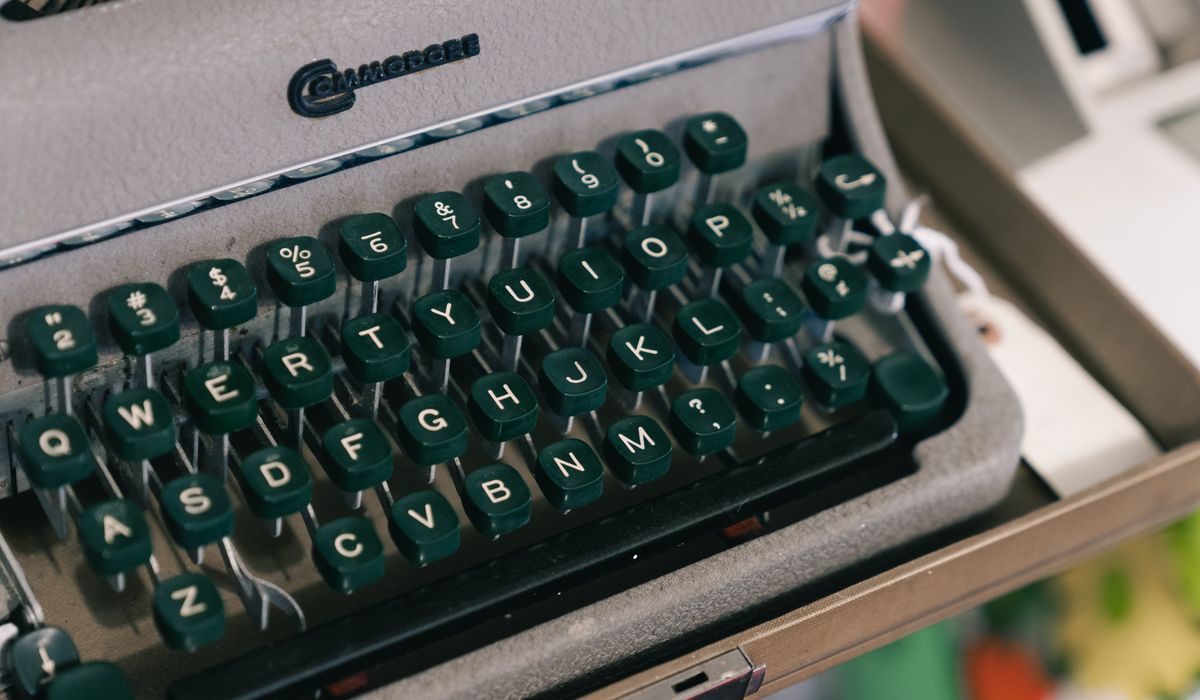
Most writers who fret about editing away their voice are protecting the wrong thing. Voice is not your favourite adjective, your signature sentence length, or the three-word phrase you deploy whenever a paragraph feels thin. Voice is a pattern of attention: what you notice, what you refuse to explain, the rhythm you fall into when you stop performing for an imagined critic.
Clutter is something else entirely. It is hesitation made visible — the extra word that buys thinking time, the throat-clearing before the point, the second metaphor that apologises for the first. Almost every tic a writer defends as personality is actually nerves wearing a costume. Learn to tell the two apart and editing becomes far less frightening.
A practical test: read a paragraph aloud. If your mouth stumbles, the problem is probably syntax. If your attention drifts, the problem is probably redundancy. If you hear yourself, unmistakably, in a line you would never cut — that is voice, and it tends to survive everything.
Redundancy rarely announces itself as repetition. It usually arrives in one of three disguises.
None of this requires you to write thinly. A lean sentence and a bare sentence are different things. Redundancy is not length, it is weight that does no work.
Tangled syntax has a single reliable symptom: the reader loses track of who is doing what. The commonest cause is distance between subject and verb. "The woman who had been standing at the window since the argument began, half-lit and half-turned away, finally spoke." The sentence is not wrong, but the reader holds their breath. Decide whether you want the suspense. Often you don't.
Other quick repairs:
Rhythm is not decoration. It is how a reader knows where to put emphasis. Tidying syntax should sharpen that rhythm, not flatten it into a metronome.
Metaphors need editing more than anything else you write, because they arrive half-formed and flattering. Two habits help.
First, check that the vehicle carries the meaning. If you call grief "a house with no doors", the reader needs to feel the shutness. If the next clause is about windows, you have changed the building mid-thought. Mixed metaphors are rarely a crime of taste; they are a sign that you didn't decide what you meant.
Second, commit or cut. A metaphor that flickers for half a clause and vanishes is usually a nervous gesture. Either extend it for the length of the paragraph — letting it shape the verbs and the nouns around it — or replace it with plain speech. Plain speech is not failure. "She was exhausted" is honest; "she was a wilting candle in a draughty hall" is showing off.
When you do extend a metaphor, audit it at the end. Does it still fit the emotional temperature of the piece? Images that felt fresh in chapter one can go stale by chapter six, and readers notice before you do.
Some "errors" are load-bearing. Keep them when they are consistent, intentional, and readable.
The test is consistency and effect. A quirk that appears once looks like an accident. The same quirk used three times looks like style.
Do not try to fix everything at once, because you will end up polishing sentences you later delete.
Clarity and personality are not opponents. Clutter is what stands between them, and removing it is how your voice finally reaches the reader.


We are not gonna make spamming
